Heart health is an important part of overall well-being, but many people do not pay attention to it until they experience a health problem. The heart works continuously to pump blood and deliver oxygen and nutrients throughout the body. Supporting heart health through healthy lifestyle choices can be an important part of maintaining long-term wellness.
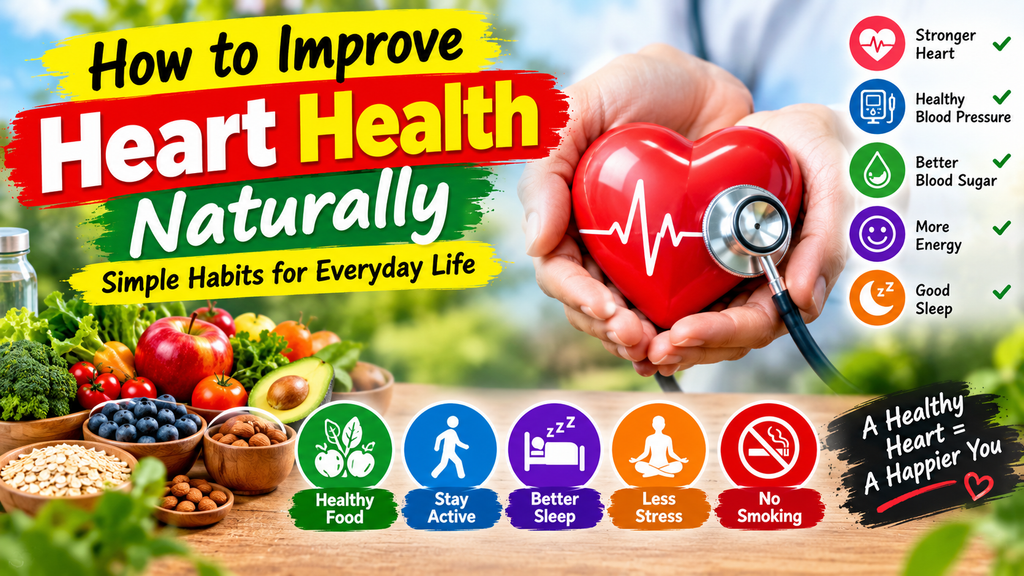
Fortunately, improving heart health does not always require complicated changes. Everyday habits such as eating nutritious foods, staying physically active, maintaining a healthy weight, getting enough sleep, and managing stress can contribute to better cardiovascular health. These habits are useful for many adults, although people with medical conditions should follow advice from their healthcare professional.
Eat Foods That Support Heart Health
A nutritious diet can play an important role in cardiovascular health. Try to include plenty of vegetables, fruits, whole grains, beans, pulses, nuts, seeds, and other nutrient-rich foods in your regular meals.
Foods containing dietary fiber can be particularly useful as part of a balanced diet. Oats, whole grains, vegetables, fruits, beans, and lentils are common sources of fiber.
It is also helpful to pay attention to the amount of saturated fat, added sugar, and sodium in your diet. Frequently consuming highly processed foods and sugary drinks may make it harder to maintain a balanced eating pattern.
Instead of making extreme dietary changes, focus on gradually improving your meals. For example, you can add more vegetables to lunch and dinner, choose whole grains more often, and replace sugary beverages with water.
Stay Physically Active
Regular physical activity is another important habit for supporting heart health. Exercise can help improve cardiovascular fitness and can also support healthy blood pressure, body weight, and blood sugar levels.
Walking is one of the easiest ways to become more active. You can start with short walks and gradually increase the duration according to your fitness level. Cycling, swimming, jogging, dancing, and other enjoyable activities can also provide physical benefits.
Table of Contents
Adults should generally aim for regular moderate physical activity each week, along with muscle-strengthening activities on appropriate days. However, exercise requirements can vary depending on age and health conditions.
If you have been inactive for a long time or have a medical condition, consider speaking with a healthcare professional before starting an intense exercise program.
Manage Stress and Get Quality Sleep
Heart health is connected not only to physical activity and diet but also to sleep and stress management. Long-term stress can influence sleep, eating habits, physical activity, and other behaviors that affect health.
Finding healthy ways to manage stress can make your daily routine more balanced. Walking outdoors, practicing relaxation techniques, spending time with family, reading, listening to music, and enjoying hobbies are some options.
Sleep is equally important. Most adults need at least seven hours of sleep per night, although individual needs can vary. Maintaining a regular sleep schedule and creating a comfortable sleeping environment may help support better sleep.
If you regularly have difficulty sleeping or experience persistent stress that interferes with everyday activities, consider discussing it with a healthcare professional.
Avoid Smoking and Maintain Regular Health Checks
Smoking is a major risk factor for cardiovascular disease. If you smoke, quitting can provide significant health benefits. People who want to quit can discuss available support and strategies with a healthcare professional.
Alcohol consumption can also affect health, and avoiding excessive alcohol intake is important. People who do not drink should not start drinking for potential health benefits.
Regular health checkups can help identify important risk factors such as high blood pressure, high cholesterol, or elevated blood sugar. These conditions may not always produce noticeable symptoms.
Knowing your health numbers and discussing them with a healthcare professional can help you understand your individual cardiovascular risk. People with a family history of heart disease may also need personalized medical guidance.
Conclusion
Taking care of your heart is a long-term process rather than a one-day goal. Eating a balanced diet, staying active, managing stress, getting sufficient sleep, avoiding smoking, and keeping track of important health measurements can all contribute to a healthier lifestyle.
The most effective changes are often simple ones that you can maintain consistently. Start with a few realistic improvements and gradually build healthier habits into your everyday routine. If you have symptoms such as chest pain, severe shortness of breath, fainting, or other concerning symptoms, seek prompt medical attention rather than relying on lifestyle changes alone.