Good health is one of the most important parts of a happy and productive life. Many people believe that staying healthy requires strict diets, expensive supplements, or intense workouts. However, several simple daily habits can make a meaningful difference in your overall well-being. Small changes in your routine can support better energy levels, digestion, sleep, heart health, and mental wellness.
A healthy lifestyle is not about being perfect. It is about making consistent choices that support your body over time. Eating balanced meals, drinking enough water, staying physically active, getting adequate sleep, and managing stress are some of the basic habits that can help you maintain a healthier lifestyle.
Eat a Balanced and Nutritious Diet
Food provides the energy and nutrients your body needs to function properly. A balanced diet should include a variety of foods such as vegetables, fruits, whole grains, pulses, dairy products or suitable alternatives, nuts, seeds, and healthy sources of protein.
Try to include different colors of vegetables and fruits in your meals because they provide different vitamins, minerals, and other beneficial nutrients. Whole grains such as oats, brown rice, and whole wheat can provide fiber, which supports healthy digestion.
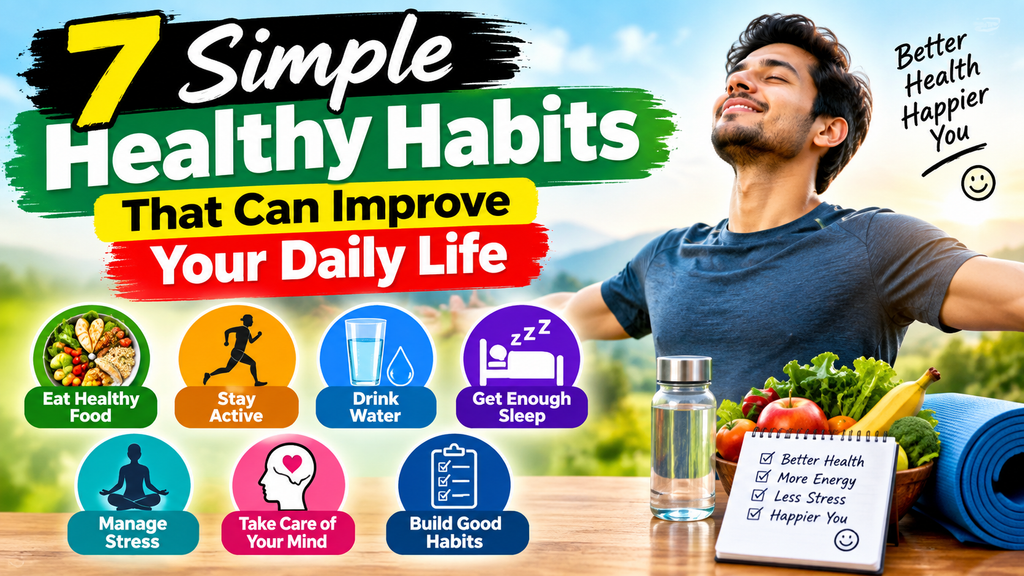
It is also useful to limit excessive amounts of highly processed foods, sugary drinks, and foods containing large amounts of added salt or unhealthy fats. Instead of making sudden and extreme dietary changes, focus on creating sustainable eating habits that you can follow regularly.
Stay Active Throughout the Day
Regular physical activity is another important part of a healthy lifestyle. Exercise can help maintain a healthy weight, support muscles and bones, and contribute to cardiovascular fitness. It may also help improve mood and reduce everyday stress.
Table of Contents
You do not necessarily need an expensive gym membership to become more active. Walking, cycling, stretching, household activities, dancing, and simple bodyweight exercises can all contribute to daily movement.
If you spend many hours sitting, try taking short movement breaks during the day. A short walk after meals or a few minutes of stretching can help reduce long periods of inactivity.
People with existing health conditions or those starting a demanding exercise program should consider discussing suitable activity levels with a healthcare professional.
Prioritize Quality Sleep and Stress Management
Sleep plays an important role in physical and mental health. Adults generally need around seven or more hours of sleep each night, although individual needs can vary. Maintaining a consistent sleep schedule can make it easier for your body to establish a regular sleep routine.
Try to create a comfortable and quiet sleeping environment. Limiting excessive screen use close to bedtime may also help some people relax before sleeping.
Stress management is equally important. Long periods of stress can affect sleep, concentration, mood, and daily habits. Simple activities such as walking, breathing exercises, reading, listening to relaxing music, spending time with family, or practicing a hobby may help you manage everyday stress.
If stress becomes overwhelming or continues to interfere with daily life, speaking with a qualified healthcare professional can be helpful.
Drink Enough Water and Build Healthy Routines
Water is essential for many functions in the human body. The amount of fluid a person needs can vary depending on factors such as climate, physical activity, diet, age, and overall health. Drinking water regularly throughout the day is a simple way to support normal hydration.
Instead of trying to change everything at once, focus on a few realistic habits. For example, you could start by adding more vegetables to your meals, taking a daily walk, maintaining a regular bedtime, and choosing water instead of sugary beverages more often.
Regular health checkups can also be useful because some health problems may not cause noticeable symptoms in their early stages. Preventive care allows healthcare professionals to identify certain risks and provide appropriate guidance.
Conclusion
A healthier lifestyle does not have to be complicated. Simple habits such as eating nutritious foods, staying physically active, getting enough sleep, managing stress, and maintaining hydration can become valuable parts of your everyday routine.
The most important factor is consistency. Small improvements made regularly can be easier to maintain than sudden and extreme lifestyle changes. If you have a medical condition, take medication, or have specific nutritional or exercise needs, consult a qualified healthcare professional for personalized advice.