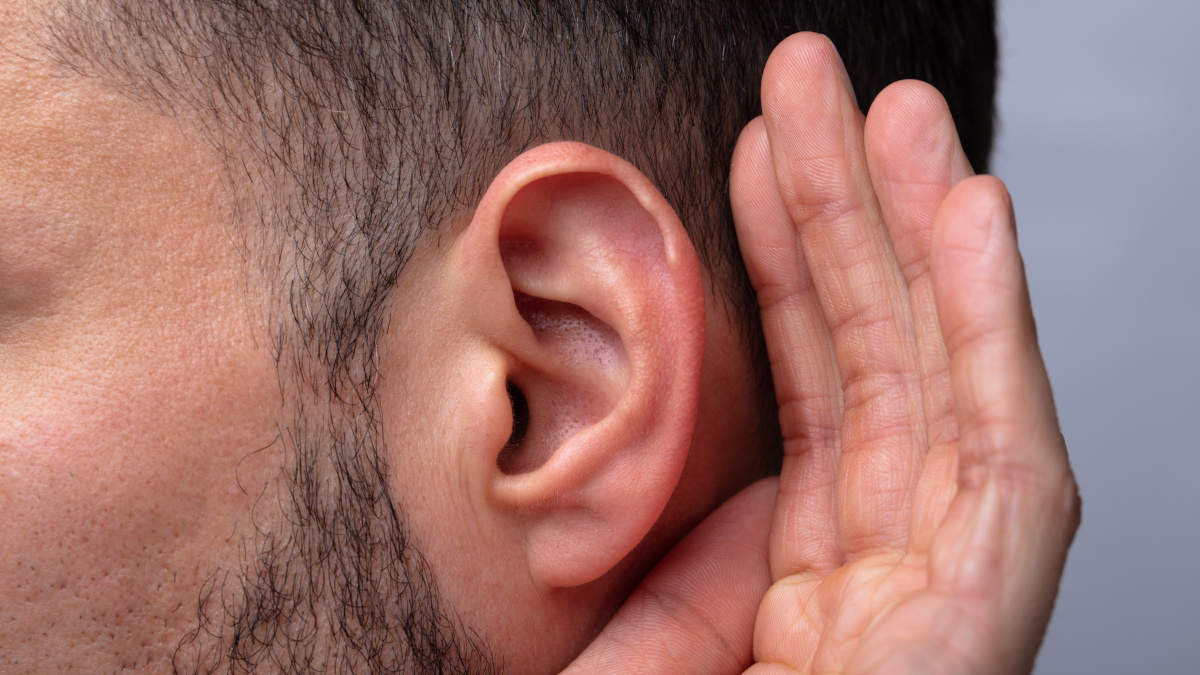

Ear health is an important part of overall well-being, but many people do not pay attention to their ears until they experience pain, itching, ringing, or hearing difficulties. Our ears help us hear sounds, communicate with others, and maintain balance. Taking care of them every day can help prevent common problems and protect our hearing as we grow older.
Modern lifestyles expose our ears to several potential risks, including loud music, headphones, traffic noise, and improper ear-cleaning habits. Some people also use cotton swabs or sharp objects to remove earwax, which can push wax deeper into the ear canal or damage sensitive tissues. Fortunately, maintaining good ear health does not require an expensive routine. Simple habits, such as keeping the outer ears clean, limiting exposure to loud sounds, and recognizing warning signs, can make a significant difference.
Whether you are a student, working professional, or older adult, learning how to protect your ears is a valuable step toward a healthier life. This guide explains practical ear-care habits, common problems, and when you should seek medical advice.
1. Why Ear Health Is Important for Everyday Life
Healthy ears allow us to enjoy conversations, listen to music, understand speech, and remain aware of our surroundings. Hearing also plays an important role in social interaction and emotional well-being. When hearing problems develop, people may find it difficult to communicate, participate in group conversations, or perform everyday activities comfortably.
The ear has three main parts: the outer ear, middle ear, and inner ear. Each part performs a specific function in collecting sound, transmitting vibrations, and sending signals to the brain. The inner ear also contains structures that help maintain balance.
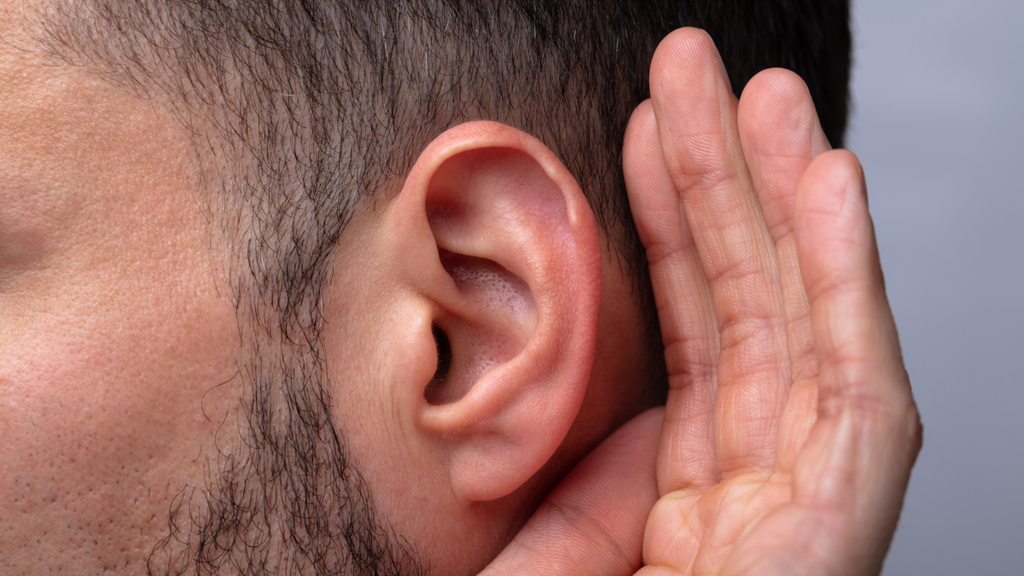
Ear problems can develop because of infections, excessive noise, earwax blockage, injuries, or age-related changes. Some conditions are temporary and treatable, while others may require long-term management. Regular attention to ear health helps people identify unusual symptoms early.
If you experience persistent ear pain, hearing loss, discharge, or repeated infections, consult a qualified healthcare professional instead of relying on home remedies.
2. Follow Simple Daily Habits for Better Ear Care
Good ear hygiene begins with gentle and safe cleaning. Wash the outer ear with a soft cloth and water, then dry it carefully. Avoid inserting cotton swabs, hairpins, keys, or other objects into the ear canal. Earwax is natural and helps protect the ear by trapping dust and other particles. In most cases, the ears clean themselves without requiring special treatment.
If you regularly use headphones or earphones, keep the volume at a comfortable level and take listening breaks. Prolonged exposure to loud sound can damage the delicate structures responsible for hearing. When attending concerts, working with noisy machinery, or visiting loud environments, use suitable hearing protection.
You should also keep your ears dry after swimming or bathing. Gently dry the outer ear with a towel. Avoid putting objects into the canal to remove trapped water. If water frequently becomes trapped or you develop pain after swimming, seek medical advice.
Never use ear candles or insert unapproved oils and liquids into your ears. These methods may cause burns, irritation, or other injuries, particularly if the eardrum is damaged.
3. Common Ear Problems and Warning Signs You Should Know
Several ear conditions can affect people of different ages. Understanding their symptoms can help you decide when professional care is necessary.
Earwax blockage: Excessive or impacted earwax may cause a feeling of fullness, muffled hearing, or discomfort. Avoid trying to remove deeply lodged wax yourself. A healthcare professional can recommend or perform safe removal.
Ear infections: Infections may cause ear pain, fever, irritation, discharge, or temporary hearing difficulties. Children can be particularly susceptible to middle-ear infections. Treatment depends on the cause, so avoid using antibiotics or ear drops without appropriate medical advice.
Tinnitus: This condition involves hearing sounds such as ringing, buzzing, or humming when no external sound is present. It can be associated with noise exposure, hearing loss, or other conditions. Persistent tinnitus should be evaluated by a healthcare professional.
Noise-related hearing damage: Repeated exposure to loud music, machinery, or other intense sounds can gradually reduce hearing ability. In some cases, damage may be permanent, making prevention especially important.
Seek urgent medical attention if you experience sudden hearing loss, particularly if it develops over hours or a few days. Sudden hearing loss can be a medical emergency, even when there is no pain.
4. Healthy Lifestyle Choices That Support Long-Term Hearing
A healthy lifestyle supports general well-being and can help reduce certain risks associated with hearing problems. Eating a balanced diet that includes vegetables, fruits, whole grains, protein, and healthy fats provides nutrients needed for normal body functions. Staying physically active and managing conditions such as diabetes and high blood pressure are also important for overall health.
Protecting your ears from loud noise remains one of the most effective steps you can take. Follow safe listening practices, use properly fitted earplugs in noisy environments, and move away from excessively loud speakers whenever possible. If your workplace exposes you to loud sounds, follow recommended hearing-protection procedures.
Regular hearing assessments may be useful if you have difficulty understanding conversations, frequently increase the television volume, or work in a noisy environment. People who already have hearing loss should discuss appropriate testing and treatment options with a healthcare professional.
Remember that supplements, special foods, and home remedies cannot reliably restore hearing damaged by noise or treat every ear condition. Professional evaluation is the safest way to identify the cause of persistent symptoms and choose suitable treatment.
Conclusion
Maintaining good ear health is easier when you build a few simple habits into your daily routine. Clean your outer ears gently, avoid inserting objects into the ear canal, keep headphone volume at a safe level, and protect your ears from excessive noise. Pay attention to symptoms such as pain, ringing, discharge, or changes in hearing, and seek medical advice when needed.