Heart health is an important part of overall well-being. The heart works continuously to pump blood and oxygen throughout the body, so taking care of it should be a daily priority. Healthy lifestyle choices can support cardiovascular health and may help reduce the risk of several heart-related problems.
You do not need to make dramatic changes to improve your lifestyle. Simple habits such as eating a balanced diet, staying physically active, maintaining a healthy weight, getting enough sleep, and avoiding tobacco can make a meaningful difference. Here are five practical heart health tips that can become part of your everyday routine.
1. Eat a Heart-Healthy Diet
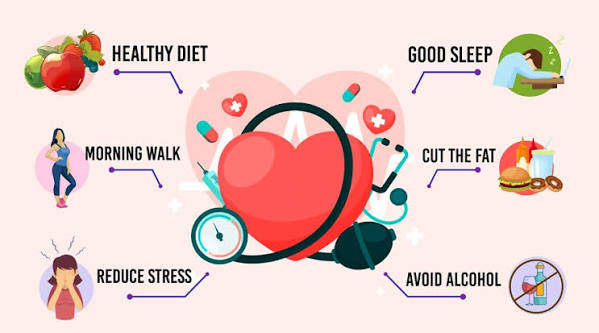
Your everyday food choices can have an important role in cardiovascular health. Try to include plenty of vegetables, fruits, whole grains, beans, lentils, nuts, seeds, and other nutrient-rich foods in your meals.
Limit foods that are high in saturated fat, added sugar, and excess sodium. Highly processed foods, sugary drinks, and frequent fast food can make it harder to maintain a heart-healthy eating pattern.
Instead of focusing on one particular food, aim for a balanced diet with a variety of nutritious ingredients. Choosing healthier cooking methods and watching portion sizes can also support overall health.
2. Stay Physically Active
Regular physical activity can help support your heart, blood vessels, muscles, and overall fitness. Walking, cycling, swimming, dancing, jogging, and other activities can be useful ways to stay active.
For many adults, aiming for at least 150 minutes of moderate-intensity physical activity per week is a commonly recommended target. You can divide this into smaller sessions throughout the week.
If you have not exercised regularly, start gradually and increase your activity over time. If you have a medical condition or have been inactive for a long period, speak with a healthcare professional before beginning a demanding exercise program.
3. Maintain a Healthy Weight and Monitor Key Numbers
Maintaining a healthy weight can support cardiovascular health. However, heart health is not determined by weight alone. Blood pressure, blood sugar, and cholesterol levels are also important.
Regular health checkups can help identify problems early. If your doctor recommends monitoring blood pressure, cholesterol, or blood glucose, follow their advice and keep track of your results.
Small lifestyle changes, such as improving your diet and increasing physical activity, can help support healthier numbers over time.
4. Avoid Smoking and Limit Alcohol
Smoking can damage blood vessels and significantly increase cardiovascular risk. If you smoke, quitting is one of the important steps you can take for your heart and overall health.
Secondhand smoke can also be harmful, so avoiding exposure when possible is beneficial.
Alcohol can also affect health, and drinking less is generally associated with lower alcohol-related health risks. People who do not drink do not need to start drinking for heart health.
5. Sleep Well and Manage Stress
Quality sleep is an important part of a healthy lifestyle. Poor sleep can affect blood pressure, energy, mood, and other factors associated with cardiovascular health.
Most adults generally need around seven to nine hours of sleep each night. Try to maintain a regular sleep schedule and create a relaxing bedtime routine.
Managing stress is also important. Regular exercise, relaxation techniques, hobbies, social connections, and taking breaks can help with everyday stress management.
Final Thoughts
Taking care of your heart starts with everyday choices. Eating nutritious foods, staying active, maintaining healthy blood pressure and cholesterol levels, avoiding tobacco, getting enough sleep, and managing stress can all contribute to better cardiovascular health.